
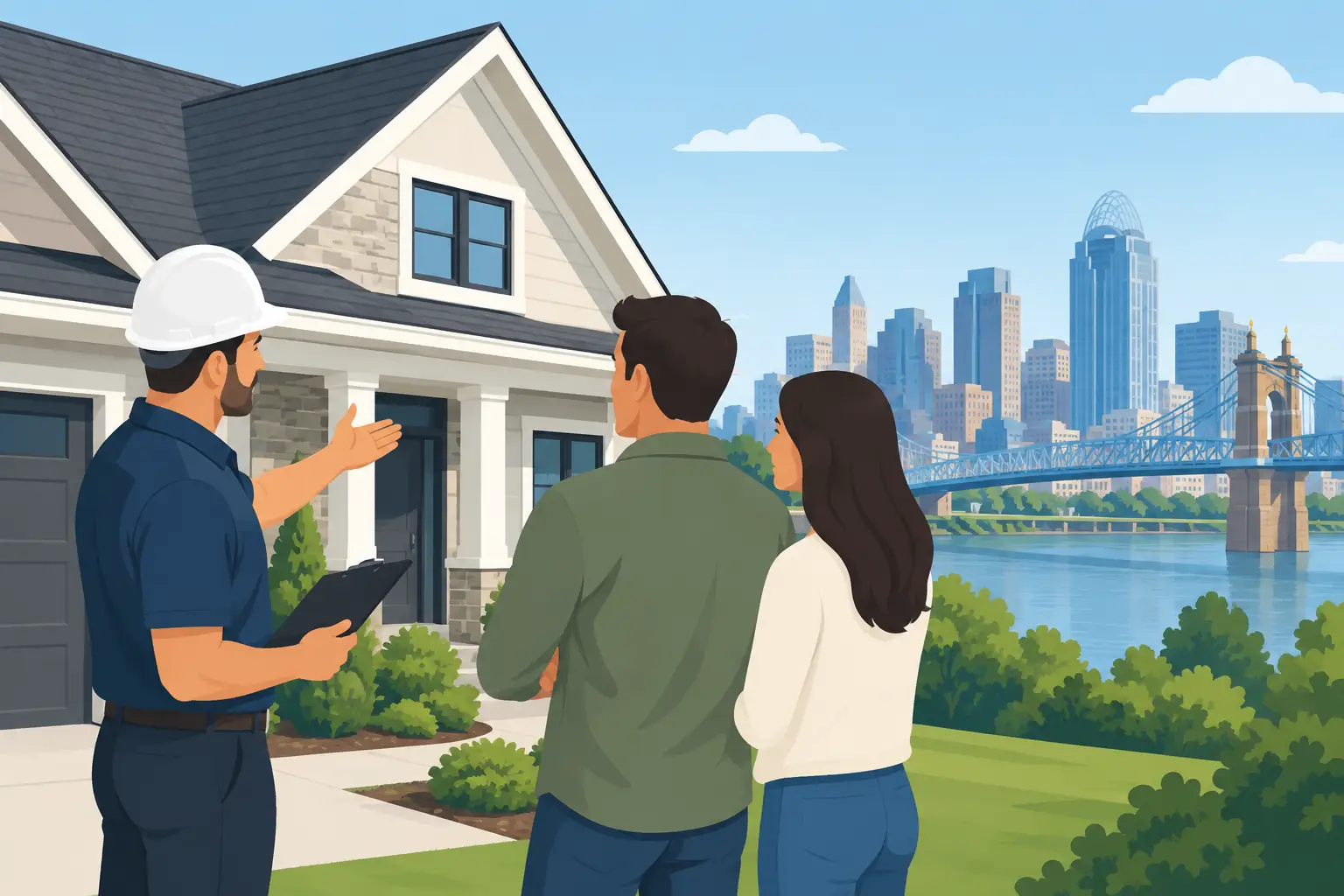
A roof leak after a hard rain, siding that has started to warp, or gutters that overflow near the foundation can make a contractor search feel urgent. But choosing among the best Cincinnati exterior contractors should not mean choosing the first company that answers the phone. The work protects your home, your budget, and your peace of mind, so the right decision starts with clear information rather than pressure.
What Makes the Best Cincinnati Exterior Contractors Different?
The best contractor is not automatically the one with the lowest estimate, the biggest advertisement, or the earliest available appointment. A dependable exterior contractor brings together sound workmanship, appropriate insurance and licensing, clear communication, and a process homeowners can understand.
That matters because exterior projects often involve more than the visible problem. A missing shingle may point to damaged flashing. Stained siding could be related to a gutter issue. Water entering near a window may require attention to trim, caulking, or drainage as well as the window itself. A contractor should be willing to assess the situation carefully and explain what is necessary, what is optional, and what can reasonably wait.
For Greater Cincinnati homeowners, local experience also has real value. Our weather can bring wind-driven rain, hail, freezing temperatures, summer heat, and heavy leaf fall in a single year. Materials and installation details need to account for those conditions, not just look good on the day the job is finished.
Start With the Scope of Work
Before contacting contractors, write down what you have noticed. Include when the problem began, whether it changes after rain or wind, and any areas inside the home that may be affected. Photos can be useful, especially for damage that is intermittent or difficult to see from the ground.
You do not need to diagnose the repair yourself. In fact, a good contractor will not expect you to. Your role is to describe the symptoms and your goals. Do you need an urgent repair? Are you planning an exterior update before selling? Are you trying to prevent a small maintenance issue from becoming a costly repair? Those answers help shape an honest recommendation.
Check Credentials Before Comparing Prices
Price is easier to compare when you know each company is qualified to perform the work. Ask whether the contractor carries general liability insurance and workers' compensation coverage appropriate for its crew. Request confirmation rather than relying on a verbal assurance. If an accident or property damage occurs, you want to know who is responsible.
It is also reasonable to ask about the company's experience with your specific type of project. Roofing, siding, gutter systems, trim, and exterior repairs each require different materials and installation practices. A company that communicates clearly about its specialty is often more trustworthy than one that claims to do every kind of work without explaining its approach.
Reviews can offer useful context, but read them thoughtfully. Look beyond star ratings for repeated details about punctuality, job-site cleanliness, communication, change orders, and follow-through after the work is complete. One unhappy review does not define a contractor. A pattern of homeowners describing unanswered calls, unclear invoices, or unfinished details deserves attention.
You can also ask how long the company has operated under its current name and who will actually complete the work. Some businesses use subcontractors for portions of a project, which is not necessarily a problem. What matters is that the contractor is open about it and remains accountable for quality, scheduling, and warranty service.
Read the Estimate for More Than the Bottom Line
A written estimate should make it easier to decide, not leave you with new questions. It should identify the work to be performed, the materials being used, the expected project timeline, payment terms, and how unexpected conditions will be handled. If anything is unclear, ask before signing.
Two estimates can differ significantly because they are not quoting the same scope. One may include removal and disposal of old materials while another assumes a repair over existing damage. One may include flashing, underlayment, trim, or gutter protection, while another lists only the most visible materials. A lower number may be a good value, but only if it covers the work your home truly needs.
Be cautious when an estimate is vague or when a contractor cannot explain why a recommendation is needed. You deserve straightforward answers without technical language meant to end the conversation. A professional should be able to explain the concern in plain terms and show you where possible.
Ask How Changes Will Be Approved
Exterior work can uncover hidden damage once old materials are removed. That is one reason contractors should not promise that surprises are impossible. The more important question is how they handle them.
Ask whether the company will document newly discovered conditions, explain the available options, and obtain your approval before proceeding with additional work. A clear change-order process protects both the homeowner and the contractor. It prevents a difficult conversation from becoming an unexpected invoice at the end of the project.
Pay Attention to Communication Before Work Begins
The way a contractor handles the first conversation often indicates how the project will be managed. You should know who your main contact is, when you can expect scheduling updates, and how to reach someone if you have a question. Courtesy alone is not enough. Reliable communication means providing specific answers and doing what was promised.
A well-defined process also reduces stress. Before work starts, ask what preparation is expected from you, where materials will be placed, how landscaping and outdoor belongings will be protected, and how debris will be managed. For projects that may involve noise or temporary access limitations, a considerate contractor will help you plan around family routines, pets, vehicles, and neighbors.
Do not overlook the closeout process. Ask what final walkthrough will occur, how cleanup is confirmed, and what warranty information you will receive. The best companies do not treat the final payment as the end of the relationship. They make sure the homeowner understands the completed work and knows whom to call if a concern arises.
Compare Contractors on the Same Questions
When you are meeting with several companies, use the same basic questions for each one. This keeps the decision grounded in facts instead of sales pressure. Ask about insurance, project scope, materials, start timing, cleanup, payment schedule, warranty coverage, and change orders.
Then consider how each answer made you feel. Were you given space to think? Did the representative listen to the actual problem? Were options presented honestly, including a repair when replacement was not the only path? Trust is not a vague feeling in this situation. It is built through consistent, verifiable actions.
There are times when the least expensive option makes sense, especially for a limited repair on a home you do not plan to keep long term. There are other times when better materials, a more complete scope, and a stronger warranty are worth the investment. The right choice depends on the condition of the home, your long-term plans, and the clarity of the contractor's proposal.
Choose a Partner, Not Just a Project Price
Exterior work is personal. Crews will be around your home, materials may be delivered in your driveway, and the result will affect how your home performs for years. That is why homeowners should be able to expect honesty, respect, and accountability from the company they hire.
At Harbor Exteriors, we believe clear communication and principled service are part of protecting a home. Take the time to ask direct questions, compare complete proposals, and choose the contractor who earns your confidence before the first material arrives. A well-made decision now can help your home stand ready for the next Cincinnati season.