
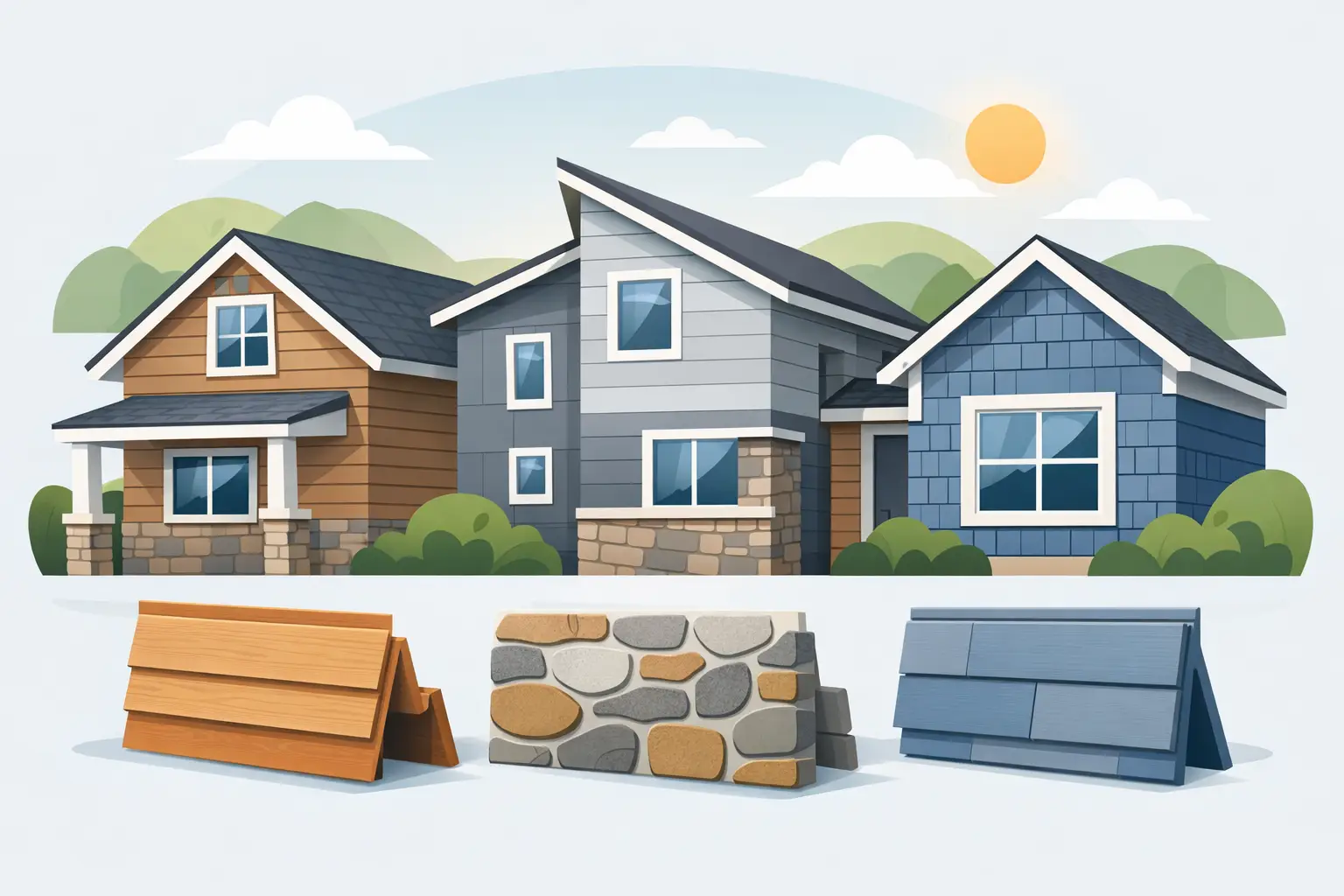
A siding decision can look simple from the street and become complicated once estimates arrive. The best siding materials for homes are not necessarily the ones with the highest price tag or the boldest warranty. They are the materials that fit your home’s style, your maintenance expectations, your budget, and the weather it must handle year after year.
For homeowners in Greater Cincinnati, that weather matters. Summer heat and humidity, winter cold, wind-driven rain, and repeated freeze-thaw cycles can expose weak installation details and materials that were not a good fit from the start. A clear comparison helps you invest with confidence instead of choosing based on a sample board alone.
What Makes a Siding Material a Good Choice?
Siding has two jobs: protect the structure behind it and give the home a finished appearance. The right choice should resist moisture, stand up to daily temperature changes, hold its appearance reasonably well, and work with your willingness to perform upkeep.
Installation is just as important as the product. Even a high-performing siding material can develop problems when flashing, trim, housewrap, ventilation, or fasteners are handled poorly. When reviewing an estimate, ask what is included behind the siding, how damaged sheathing will be addressed if found, and who will communicate with you if the scope changes. Straight answers at the beginning prevent surprises later.
Best Siding Materials for Homes Compared
Vinyl siding: practical and budget-conscious
Vinyl remains a common choice because it is affordable, widely available, and low maintenance. It does not need painting, and routine cleaning with a gentle house wash can keep it looking presentable. Modern vinyl also comes in a broader range of profiles and colors than many homeowners expect, including options that resemble traditional lap siding or board-and-batten.
The trade-off is that vinyl can crack after a hard impact in cold weather, and lower-grade panels may look wavy if installed over uneven walls or if they expand and contract without enough room. Darker colors may also show fading over time. For a homeowner who wants a clean, reliable exterior at a manageable cost, quality insulated or thicker-gauge vinyl can be a sensible choice. It is especially effective when installed carefully with durable trim and proper moisture protection.
Fiber cement: strong performance with a classic look
Fiber cement siding is often selected by homeowners who want the appearance of painted wood without the same level of rot and insect concerns. It is made from a blend of cement, sand, and cellulose fibers, giving it substantial resistance to fire, pests, and moisture when properly installed and maintained.
This material works well for homeowners who value curb appeal and long-term durability. It can be painted in almost any color and is available in lap, shingle, and panel styles. That design flexibility makes it a strong fit for many traditional Cincinnati-area homes.
Fiber cement does require more labor to install than vinyl, which generally raises the project cost. It also needs periodic repainting and careful attention to caulked joints and cut edges. The boards are heavy, so experience matters. A contractor should follow the manufacturer’s installation requirements closely, especially around clearances, flashing, and fasteners.
Engineered wood: warmth with improved durability
Engineered wood siding offers the look of real wood in a manufactured product designed to better withstand moisture and insects. Many homeowners appreciate its warm, dimensional appearance and the fact that it can complement craftsman, farmhouse, and traditional home styles without the cost of premium natural wood.
It is generally lighter and easier to install than fiber cement, and it can be a cost-effective middle ground between vinyl and higher-end wood products. Factory-finished options can also reduce the need for immediate painting.
Like any wood-based material, engineered wood depends on proper installation and maintenance. Exposed cuts, gaps at trim, or water intrusion around windows can create problems if they are not addressed promptly. It is a good choice when you want a painted-wood appearance and are prepared to inspect the exterior regularly, maintain paint or finish, and keep water moving away from the home.
Natural wood: beautiful, but more demanding
Cedar and other natural wood sidings bring character that manufactured materials can imitate but rarely duplicate. Wood can be stained, painted, or left to weather naturally, and it has an unmistakable texture that suits historic homes and homeowners who want a more distinctive exterior.
The responsibility is greater, too. Wood requires regular inspection, repainting or restaining, and prompt repair of loose boards, peeling finish, or moisture damage. In humid conditions, neglected wood can be vulnerable to rot, insects, and movement. It is rarely the lowest-maintenance choice, but it can be the right one for a homeowner who values authenticity and is committed to caring for it.
Metal siding: clean lines and serious durability
Metal siding, usually steel or aluminum, is gaining attention for its crisp appearance, long service life, and low maintenance needs. It can work especially well on contemporary homes, accent walls, garages, and homes seeking a modern farmhouse look. Steel is highly durable, while aluminum resists rust and is lighter in weight.
Metal is not right for every home or budget. It can dent from severe impacts, and the appearance may feel too industrial for certain neighborhoods or architectural styles. Quality detailing is essential to manage water and allow for movement. Still, for homeowners who prefer clean lines and durable finishes, metal can be a compelling long-term option.
How to Choose Between Cost, Maintenance, and Appearance
Start with the question that matters most to your household. If keeping maintenance low is the priority, vinyl or metal may make the most sense. If you want a traditional painted exterior with strong durability, fiber cement deserves a close look. If the warmth of wood is central to your home’s character, engineered wood or natural wood may be worth the additional upkeep.
Next, consider the full project cost rather than only the cost per square foot. A complete siding project may include removal of old materials, repairs to wall sheathing, housewrap, flashing, trim, soffit, gutters, paint, and disposal. Less expensive siding can become costly if hidden damage or missing water-management details are discovered after work begins.
Color should be considered carefully as well. A color that looks appealing on a small sample may read much differently across an entire elevation, particularly in full sun. Ask to see larger samples and look at them outside during different times of day. It is also wise to consider the roof color, brick, stone, shutters, and neighboring homes before making a final selection.
Questions to Ask Before You Sign a Siding Contract
A trustworthy contractor should welcome practical questions. Ask which product line is being proposed, whether the siding will be installed over a moisture barrier, how window and door flashing will be handled, and what happens if rot is found after removal begins. Confirm whether trim and accessories match the quality level of the siding itself.
Also ask how the work area will be protected, how cleanup is handled, who your primary point of contact will be, and what warranty applies to both materials and workmanship. A written scope should be specific enough that you know what is included before the crew arrives. Clear communication is not an extra service. It is part of a well-run exterior project.
The right siding should make your home feel protected, not create another maintenance concern. Take time to compare real samples, understand the installation plan, and choose a contractor who explains the trade-offs honestly. That steady approach gives you a better chance of ending up with an exterior you will be glad to come home to for years.