
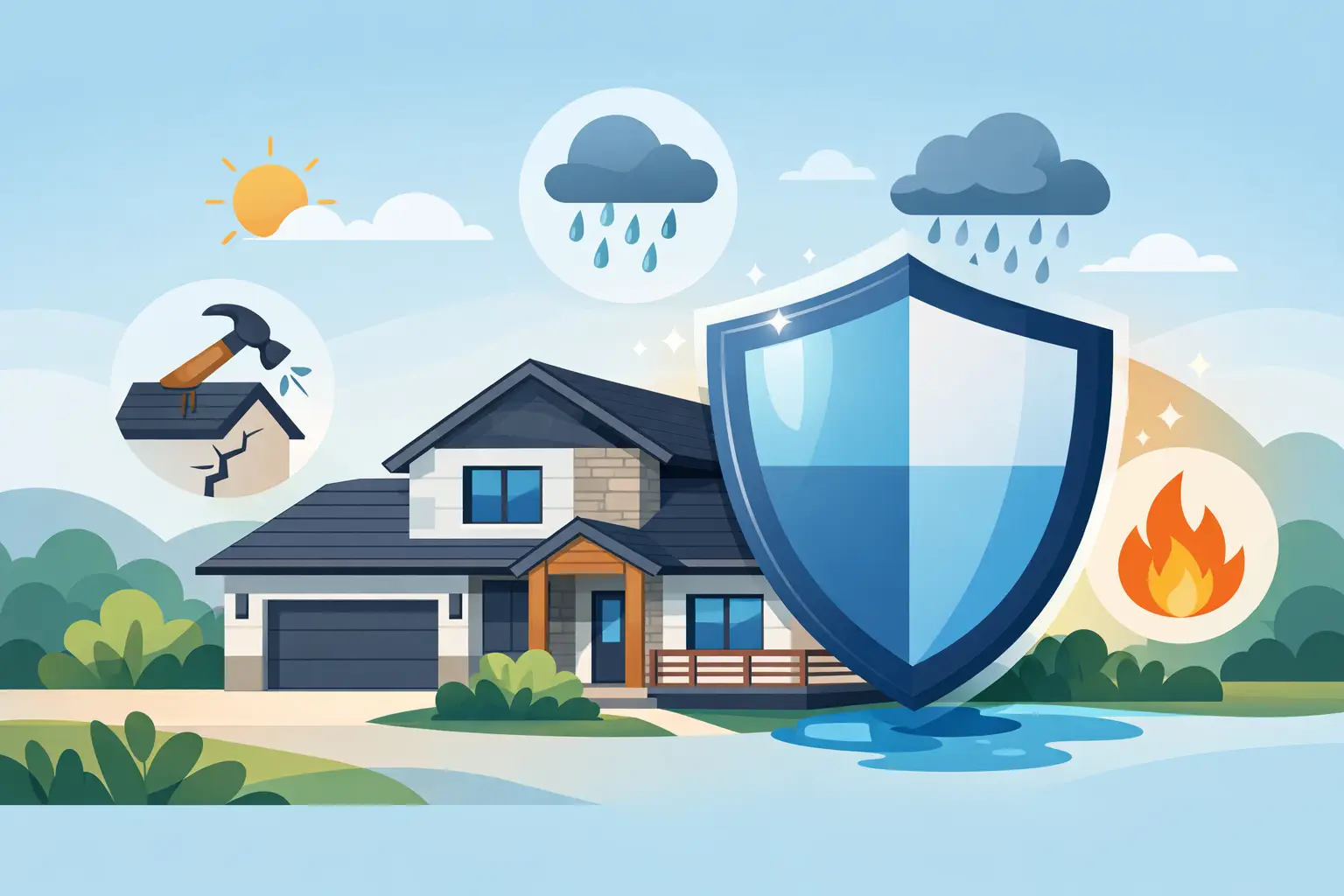
A loose shingle, a soft spot near a window, or peeling trim can feel like a small problem until rain finds its way behind the surface. Exterior remodeling is not only about making a home look refreshed. Done thoughtfully, it protects the structure, improves comfort, and helps homeowners avoid the cost and stress of preventable damage.
For Greater Cincinnati homeowners, that protection matters. Our homes face humid summers, freezing temperatures, wind-driven rain, and freeze-thaw cycles that put roofing, siding, gutters, windows, and trim to work year after year. The right project starts with a clear look at what your home needs now, what can wait, and what will provide lasting value.
Start Exterior Remodeling With Protection, Not Trends
Curb appeal is a worthwhile goal, especially if you plan to sell or simply want to take greater pride in your home. But the best exterior decisions begin beneath the surface. Before selecting a siding color or new front door style, check the systems that keep water out and direct it safely away from the house.
A roof nearing the end of its service life, gutters that overflow, cracked flashing, deteriorated caulk, or failing window trim can allow moisture into places it does not belong. Over time, that can lead to rot, mold, damaged insulation, and interior repairs that cost far more than early maintenance.
A dependable contractor should explain what they see in plain language. Ask for photos of damaged areas when possible, an explanation of the recommended repair or replacement, and a clear outline of what is included in the work. You should never feel pressured to approve a project you do not understand.
There is also a difference between a cosmetic concern and an active risk. A faded siding color may be a reasonable improvement to plan for next year. Missing shingles, soft fascia boards, or water staining near an exterior wall deserve faster attention. Prioritizing by risk helps you spend wisely without ignoring the appearance of your home.
Which Exterior Projects Deliver the Most Value?
The right exterior remodeling project depends on your home's condition, your budget, and how long you expect to stay in the property. There is no single upgrade that fits every homeowner. Still, several areas consistently deserve close attention.
Roofing and water management
Your roof is your home's first line of defense, but it cannot do its job alone. Gutters, downspouts, flashing, soffit, and fascia all play a part in moving water away from the roofline and foundation. Replacing a roof while overlooking failing gutters or damaged flashing can leave an important problem unresolved.
Look for granules collecting in gutters, curling or missing shingles, sagging areas, repeated leaks, or daylight visible from the attic. After heavy storms, a professional inspection can offer peace of mind and document whether repairs are needed. Not every issue requires a full replacement, but waiting too long can turn a repair into a larger project.
Siding, trim, and exterior finishes
Siding influences both protection and appearance. Cracks, warping, loose panels, rotted wood trim, and persistent peeling paint are more than visual flaws. They may indicate moisture exposure or gaps in the exterior envelope.
Material selection involves real trade-offs. Vinyl siding can offer low maintenance and a broad range of colors. Fiber cement is valued for its durability and appearance, though it typically costs more and requires skilled installation. Wood provides a classic look but needs ongoing maintenance to protect it from moisture and insects. The best choice is the one that fits your home, budget, maintenance expectations, and neighborhood character.
Trim deserves the same attention as siding. Well-installed trim around windows, doors, corners, and rooflines helps create clean details while protecting vulnerable transitions. Small gaps at these points can become a path for water intrusion.
Windows and doors
Drafty windows and worn exterior doors can make rooms less comfortable and affect energy use. They can also weaken a home's security and reduce the polished look of its exterior. If you notice condensation between window panes, difficult operation, air leaks, or water stains around a frame, it is worth investigating the cause.
Replacement is not always the first answer. Sometimes the issue is failed caulking, damaged trim, or a repairable component. When replacement is appropriate, focus on proper sizing, flashing, installation, and insulation around the opening. A high-quality window installed poorly will not perform as it should.
Entry improvements and outdoor details
A front door, shutters, porch columns, lighting, and carefully chosen paint can make a meaningful visual difference without requiring a complete exterior overhaul. These projects are often a good fit when the home's protective systems are in sound condition and you want to improve the first impression.
Keep proportions in mind. An oversized light fixture, a door color that clashes with brick, or decorative elements that do not fit the architecture can feel out of place. A contractor with exterior experience can help you make selections that complement the home rather than chase a short-lived trend.
Plan the Project in the Right Order
When several exterior needs compete for the same budget, sequence matters. Projects that affect water management and structural protection generally come first. It makes little sense to install new siding before addressing roof leaks, for example, or to replace landscaping before correcting drainage that sends water toward the foundation.
A practical order often starts with roof repairs or replacement, followed by flashing, gutters, fascia, and soffit. Siding, trim, windows, and doors can follow as needed. Cosmetic details such as paint, lighting, shutters, and landscaping are usually best saved for the final stage.
That order is not absolute. A small, isolated repair may be all your home needs. But when multiple systems are aging, a coordinated plan can prevent duplicate labor and protect newly completed work. A transparent contractor will help you understand these connections instead of treating every service as a separate sales opportunity.
Choose Materials for Real Life
The most expensive material is not automatically the best value, and the lowest initial price is not always the most economical choice. Consider how long you plan to own the home, how much upkeep you are willing to handle, and how the material performs in local weather conditions.
Ask practical questions before making a decision. How does this product handle temperature changes and moisture? What maintenance will it require? What does the warranty cover, and what installation requirements affect that coverage? Will a repair be easy if storm damage occurs later? Answers to these questions can be more useful than a showroom sample alone.
Color deserves careful consideration, too. Darker colors can create a strong look, but they may show fading, dust, or heat effects differently than lighter options. If your home has permanent features such as brick or stone, choose a palette that works with them instead of competing with them.
What a Trustworthy Contractor Process Should Look Like
Exterior work happens around your home, your schedule, and often your family. Clear communication is not an extra. It is part of doing the job responsibly.
A good process begins with an inspection and an honest conversation about your goals. You should receive a written scope that identifies the materials, labor, preparation, cleanup expectations, payment terms, and any conditions that could change the cost. If hidden damage is discovered after work begins, the contractor should show you the issue and discuss options before moving forward.
It is also reasonable to ask who will be on the property, how the site will be protected, and how debris will be managed. Roofing and siding projects can be disruptive for a short time. Knowing the anticipated schedule and daily plan helps you prepare and reduces unnecessary surprises.
Pay attention to how a company communicates before you sign an agreement. Do they return calls? Do they answer direct questions? Are estimates specific rather than vague? Those habits often reflect how the project will be handled once work begins.
Make Decisions You Will Feel Good About Later
A successful exterior project should leave you with more than a better-looking home. It should give you confidence that key parts of the house are protected, the work was explained honestly, and the investment fits your priorities.
At Harbor Exteriors, we believe homeowners deserve straightforward recommendations and dependable service from the first conversation through final cleanup. Whether your home needs urgent repairs or a carefully planned update, start by asking questions, reviewing the scope, and choosing a partner who treats your property with the care it deserves.