
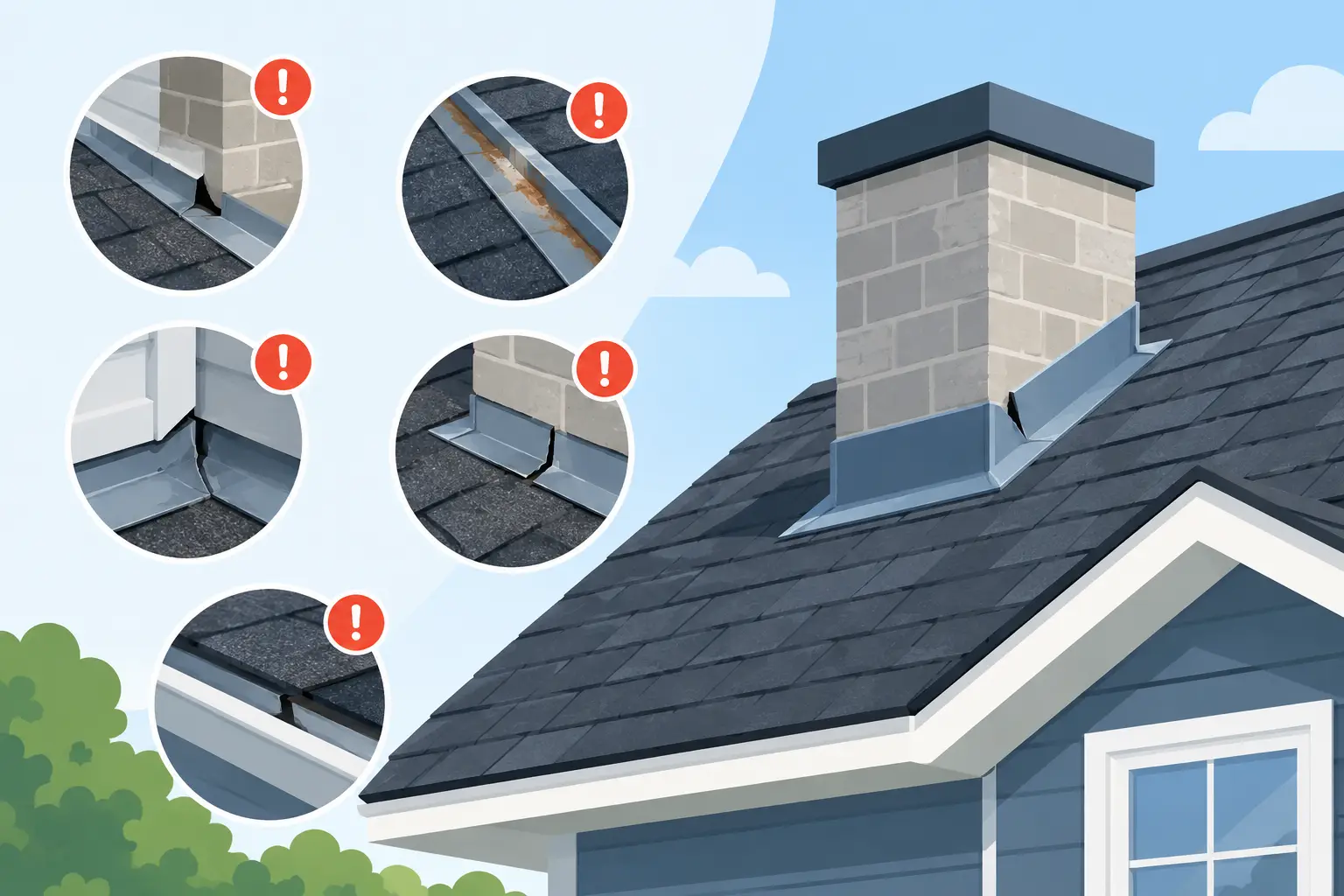
A roof leak rarely starts in the middle of a wide field of shingles. More often, water finds its way in where roof surfaces meet, change direction, or connect to something else. That is why knowing the warning signs of bad flashing can help you address a small exterior issue before it reaches insulation, drywall, framing, or the rooms your family uses every day.
Flashing is one of the less noticeable parts of a roof, but it does an essential job. It directs water away from vulnerable areas around chimneys, walls, valleys, skylights, vents, and pipe penetrations. When it is installed incorrectly, damaged by weather, or allowed to age past its useful life, even a roof with decent-looking shingles can leak.
What Roof Flashing Does
Roof flashing is typically made from metal, though some systems use specialized membranes or other materials. It is installed in strategic sections so water flows onto the roof surface and into the gutters rather than behind shingles or siding.
You may have step flashing where a roof meets a sidewall, counterflashing around a chimney, valley flashing where two roof planes meet, and flashing at vents or other roof openings. Each type has to overlap correctly and work with the surrounding roofing materials. A gap of only a fraction of an inch can become a path for wind-driven rain.
Because flashing is partly concealed, homeowners cannot always see the problem from the ground. Still, there are signs inside and outside the home that deserve prompt attention.
1. Water Stains Near Chimneys, Walls, or Ceilings
A brown ceiling stain is not automatically a flashing failure, but its location is a useful clue. Stains near a chimney, skylight, exterior wall, or upper-floor ceiling often point to a problem around a roof transition or penetration.
The stain may appear some distance from the actual opening because water can travel along roof decking or framing before it drips. If the mark expands after heavy rain, treat it as an active issue rather than a cosmetic one. Painting over the stain without finding the source only hides evidence while moisture continues to cause damage.
2. Missing, Bent, or Rusted Metal Around Roof Features
If metal flashing is visible from a safe vantage point, look for lifting edges, open seams, dents, corrosion, or pieces that appear out of place. Wind can loosen flashing, and branches or storm debris can bend it. Older galvanized metal may rust, especially where protective coatings have worn away.
Do not climb onto the roof to inspect it yourself. A pair of binoculars from the ground can reveal obvious movement or deterioration, while a qualified exterior professional can safely evaluate areas that are not visible.
3. Cracked Caulk or Deteriorated Roof Cement
Sealant has a role in many flashing details, but it should not be the only thing keeping water out. Over time, caulk can shrink, split, or pull away from metal and masonry. Roof cement can crack after repeated exposure to sun, heat, and cold.
This is particularly relevant around chimneys and vent pipes. If you notice brittle, crumbling, or heavily patched material around these areas, it is worth having it checked. Adding more sealant may offer a short-term fix in a limited situation, but it will not correct missing flashing, bad overlap, or failing masonry.
4. Shingles Lifting Where the Roof Meets a Wall
Step flashing is installed in layers with the shingles along a roof-to-wall connection. When this detail fails, shingles near the wall may curl, lift, or look uneven. You might also see gaps where siding meets the roofline.
This problem can be easy to miss because the wall and roof may look normal from a distance. Yet this intersection receives a lot of water during rain, and wind can push that water sideways. If flashing was omitted, installed in the wrong order, or covered improperly during previous work, water can get behind the exterior finish and into the wall assembly.
5. Damp Attic Insulation or a Musty Odor
Not every roof leak reaches the ceiling right away. Sometimes the first evidence is in the attic: damp insulation, darkened roof decking, mold-like spotting, or a musty smell. These conditions can develop after smaller, recurring leaks around a vent, chimney, or valley.
Use caution when checking an attic. Watch your footing, avoid stepping between joists, and do not disturb suspected mold growth. If you see moisture or staining, take clear photos and arrange for an inspection. Finding the source early can limit the amount of insulation and wood repair needed.
6. Leaks That Return After a Previous Repair
A leak that disappears for a season and then returns is often a sign that the original repair addressed the visible symptom but not the underlying detail. This happens when sealant is applied over a failed flashing system, when damaged shingles are replaced without correcting the metal beneath them, or when a chimney issue is mistaken for a roof issue.
Repeated repairs are frustrating, especially when the roof looks fine afterward. A thorough assessment should identify where water is entering, how it is moving, and whether the flashing, shingles, siding, gutters, masonry, or ventilation is contributing. The right repair depends on the cause.
7. Interior Problems After Wind-Driven Rain
If water appears only during storms with strong wind, do not assume the problem is minor. Wind-driven rain can expose weaknesses that a gentle rainfall does not, especially at wall intersections, chimneys, valleys, and roof penetrations.
Greater Cincinnati homeowners see changing weather through every season, from heavy spring rain to summer storms and winter freeze-thaw cycles. Those conditions can worsen small gaps over time. A leak that occurs only in certain storms still puts the home at risk, because it may be allowing moisture into concealed areas each time it happens.
When Bad Flashing Is Not the Only Possibility
The warning signs of bad flashing overlap with other exterior problems. Condensation from poor attic ventilation, a cracked vent boot, damaged shingles, clogged gutters, failing chimney mortar, or an ice dam can all produce moisture symptoms that look similar at first.
That is why a responsible diagnosis should not begin with a sales pitch for a full roof replacement. In many cases, targeted flashing repair is the sensible solution. In others, the flashing issue is part of broader roof wear, damaged decking, aging shingles, or chimney maintenance needs. The condition of the entire assembly matters.
What to Do When You Suspect a Flashing Problem
Start by documenting what you see. Note when the leak appeared, whether it followed a particular kind of weather, and where the stain or moisture is located. Photos taken before and after rain can be useful.
Next, protect the interior. Move furniture and valuables away from an active drip, place a container beneath it if needed, and avoid using electrical fixtures near water. If a ceiling is bulging with water, do not puncture it unless you understand the safety risks. A large amount of trapped water can make a ceiling unstable.
Then schedule a professional inspection. Ask for clear communication about what was found, what repair is recommended, and whether there are options based on the condition of the roof. A trustworthy contractor should explain the work in plain language, show you relevant photos when possible, and avoid pressuring you into work that does not fit the evidence.
Repair or Replacement: What Makes Sense?
Flashing can sometimes be repaired or replaced without replacing the whole roof. This may be practical when the surrounding shingles are in good condition and can be removed and reinstalled correctly. A localized repair may involve replacing step flashing, resealing a penetration with the appropriate materials, or correcting chimney flashing details.
Replacement becomes more likely when the roof is near the end of its life, shingles are brittle or extensively damaged, multiple leak points are present, or the underlying decking has deteriorated. Matching older shingles can also be difficult, so the repair approach should balance appearance, weather protection, and long-term value.
The best next step is not to guess from a stain on the ceiling. Address the concern while it is still manageable, ask direct questions, and choose a contractor who treats your home with care. A properly repaired flashing detail is quiet work: you may never notice it again, which is exactly how roof protection should feel.